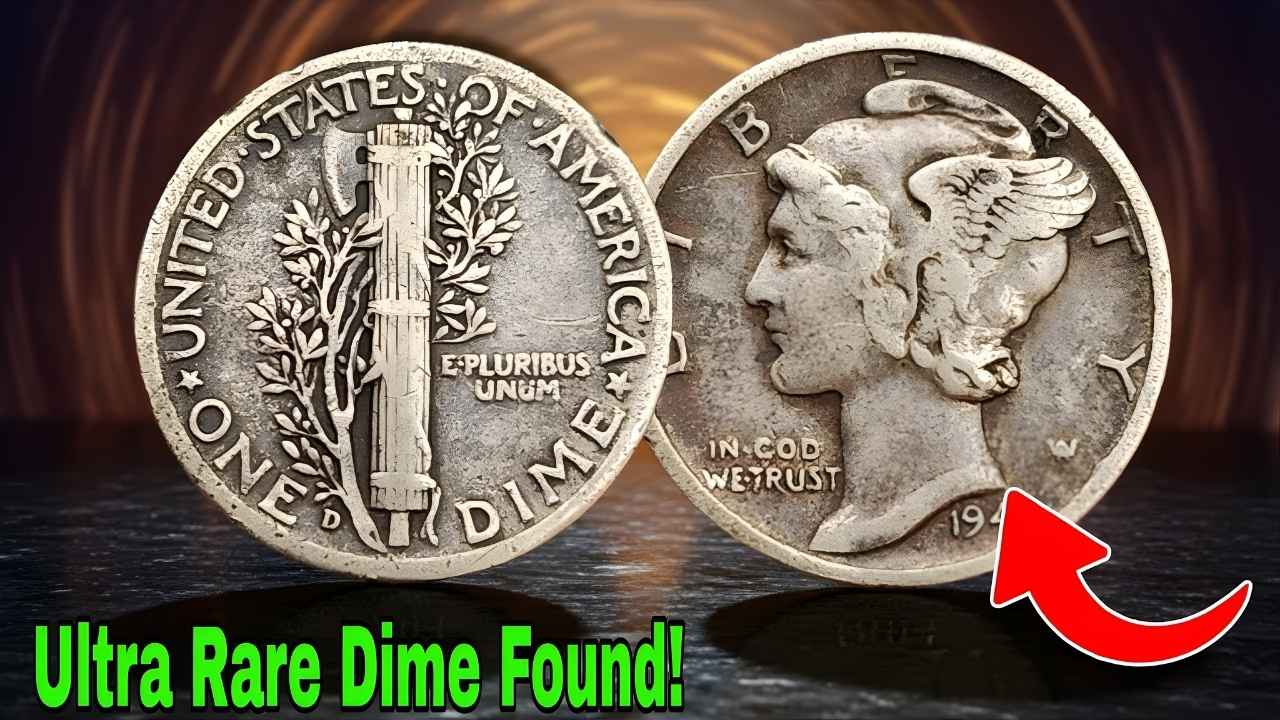
Most Valuable Mercury Dimes: The Mercury Dime, officially known as the Winged Liberty Head Dime, is one of the most celebrated silver coins in American numismatics. Struck from 1916 to 1945, this small yet intricately designed coin has captured the attention of collectors for over a century. In 2026, interest remains strong, particularly for the 1916‑D and other rare varieties, as both historical significance and silver content continue to support their value.
The Mercury Dime is not only admired for its artistry by Adolph A. Weinman but also for its investment potential. From common circulated coins to high grade registry examples, the series offers a wide spectrum of opportunities for collectors of all levels. This guide explores the most valuable Mercury Dimes, key dates, rare varieties, grading, and market trends in 2026.
The History of the Mercury Dime
The Mercury Dime replaced the Barber Dime in 1916. Its obverse design features Liberty wearing a winged cap, symbolizing freedom of thought, while the reverse shows a fasces tied with an olive branch, representing strength and peace. The public quickly nicknamed the coin the Mercury Dime due to the winged cap’s resemblance to the Roman god Mercury.
All Mercury Dimes were minted in 90 percent silver, giving them intrinsic value beyond their nominal ten cents. The coin remained in production until 1945, when the Roosevelt Dime replaced it, commemorating the late president. Despite being replaced, the Mercury Dime remains a cornerstone of American coin collecting.

Mercury Dime Silver Content and Intrinsic Value
Every Mercury Dime contains 90 percent silver and 10 percent copper, weighing 2.5 grams, or 0.0723 troy ounces of pure silver.
Because of this silver content, even heavily circulated coins carry a melt value. In 2026, with silver prices remaining strong, Mercury Dimes have a reliable baseline value, making them appealing to both collectors and silver investors.
Coins in higher grades or with rare mint marks often command premiums far exceeding melt value, which is why rarity and condition are critical for valuation.
Most Valuable Mercury Dime: The 1916‑D
The 1916‑D Mercury Dime is widely considered the king of the series. Struck at the Denver Mint, only 264,000 were produced, making it the lowest mintage regular issue Mercury Dime. The combination of rarity and collector demand has made it the most sought-after date in the series.

High grade examples of the 1916‑D have sold for hundreds of thousands of dollars at auction. In 2026, a well-preserved MS65 or higher coin can still command prices exceeding $15,000, with exceptional specimens breaking records.
The 1916‑D exemplifies the interplay of scarcity, historical importance, and condition rarity that defines Mercury Dime collecting.

Other Key Dates and Rare Mercury Dimes
Beyond the 1916‑D, several Mercury Dimes are considered highly valuable:
1916‑S
Produced at the San Francisco Mint with 48,000,000 coins, many circulated heavily, but top grade specimens remain valuable.

1921‑D
Low mintage and silver content make it one of the more expensive mid-series dates.
1921‑S
Extremely scarce in Mint State, highly sought by advanced collectors.

1926‑S
Low mintage at the San Francisco Mint, difficult to find in high grade.
1931‑D
Lower mintage at Denver Mint, with high grade examples in strong demand.

1942‑D Over Horizontal D
A notable mint mark variety that collectors prize.
1942‑41 Overdate
Overdate error coins have become increasingly collectible in 2026, with premiums reflecting rarity and condition.

These key dates and errors are consistently sought after at coin shows, auctions, and online marketplaces.
Rare Mercury Dime Error Coins
Errors can dramatically increase a coin’s value. Some important Mercury Dime errors include:

Doubled Dies
Doubling on the obverse lettering or design, particularly 1922 and 1942 varieties.
Off Center Strikes
Coins struck outside the collar, showing partial design.
Broadstrikes
Coins struck without proper collar constraints, producing a wider appearance.
Die Cracks and Cuds
Die defects that create raised lines or blobs on the coin.
Collectors in 2026 increasingly submit error coins for professional grading, which enhances price transparency and collector confidence.
Mercury Dime Value Chart 2026
The table below shows average retail values for Mercury Dimes in 2026, including circulated ranges and high-grade MS65 examples.
| Year | Mint Mark | Mintage | Circulated Value 2026 | MS65 Value 2026 | Notes |
|---|---|---|---|---|---|
| 1916 | D | 264K | $1,200 to $2,500 | $15,000 to $35,000 | Key date, most valuable |
| 1916 | S | 48M | $100 to $300 | $1,500 to $3,000 | First year San Francisco |
| 1917 | P | 55M | $12 to $25 | $150 to $300 | Common early date |
| 1921 | D | 1.08M | $150 to $400 | $5,000 to $8,000 | Scarce mid-series date |
| 1921 | S | 1.08M | $150 to $500 | $6,000 to $9,000 | Extremely rare in MS |
| 1926 | S | 1.5M | $20 to $75 | $2,000 to $4,000 | Difficult in high grade |
| 1931 | D | 1.2M | $15 to $40 | $250 to $500 | Low mintage |
| 1942 | D | 60M | $3 to $6 | $35 to $75 | Over horizontal D variety exists |
| 1942 | 41 Overdate | Unknown | $50 to $150 | $400 to $800 | Rare error |
| 1945 | P | 159M | $3 to $6 | $30 to $60 | Final year issue |
The chart demonstrates how mint mark, year, condition, and error status impact the value of Mercury Dimes.
How Grading Affects Mercury Dime Value
Condition is critical. Even common dates can achieve strong premiums in top grades:
Good to Fine
Heavy wear, most details flattened
Very Fine to Extremely Fine
Moderate wear with clear design elements
About Uncirculated
Light friction, full design visible
Mint State MS60 to MS65
No wear, minor contact marks, good luster
MS66 to MS68
Extremely rare for early dates, significant premiums
Full Bands designation
Coins with sharply defined horizontal bands on the fasces bring higher collector interest.
High grade and Full Bands examples often dominate auction results and registry sets in 2026.
Collector Market Trends in 2026
Several key trends shape the Mercury Dime market today:
Rising interest from younger collectors online
High demand for certified high grade coins
Registry set competition driving premiums
Collector focus on error and overdate coins
Silver prices supporting intrinsic value
The series remains appealing because it balances affordability for common dates with exceptional investment potential for rare coins.
Investment Outlook for Mercury Dimes
Mercury Dimes combine collectible value with precious metal backing, making them attractive for both hobbyists and investors. Key investment highlights in 2026 include:
1916‑D remains the ultimate key date
1921 D and S are increasingly sought after
Full Bands high grade coins show strong growth potential
Rare overdate and doubled die varieties retain premium value
Even common circulated coins benefit from silver content, providing a baseline value.
Tips for Buying Mercury Dimes in 2026
Study mintage figures carefully
Check for errors and varieties
Prioritize certified coins for key dates
Focus on eye appeal, luster, and strike quality
Avoid cleaned or damaged coins
Smart acquisition strategies often yield better returns than chasing every date indiscriminately.
Tips for Selling Mercury Dimes
Group coins by year, mint, and variety
Highlight certified grades and key date status
Consider auction platforms for rare coins
Monitor silver and collector demand trends
Proper presentation and timing often result in higher sales prices.
Why Mercury Dimes Remain Popular
The Mercury Dime is valued for its artistry, historical significance, and silver content. Its relatively short production period makes completing a series achievable yet challenging.
Collectors appreciate the combination of accessibility and rarity. Error coins, low mintage dates, and high grade examples provide ongoing excitement, while the silver content ensures intrinsic value in volatile markets.
Final Thoughts on Valuable Mercury Dimes in 2026
The Mercury Dime stands as a cornerstone of American coin collecting. From the legendary 1916‑D to rare overdates and high grade Full Bands examples, the series offers both historical importance and investment potential.
The 2026 market shows stable base values for silver content, rising premiums for scarce dates, and strong interest in certified high grade coins. For collectors and investors alike, Mercury Dimes continue to offer one of the most rewarding opportunities in numismatics, combining artistry, history, and tangible value in a single ten-cent piece.