22 Rare U.S. Wheat Pennies Value Guide 2026: The Lincoln Wheat Penny remains one of the most beloved coins in American numismatics. First minted in 1909, it was designed by Victor David Brenner and quickly became a symbol of everyday commerce and national pride. In 2026, collectors continue to chase rare editions of the Wheat Penny, with certain dates and mint errors commanding impressive values. This guide explores twenty-two rare Wheat Pennies, their values, and how collectors can identify them.
Historical Background
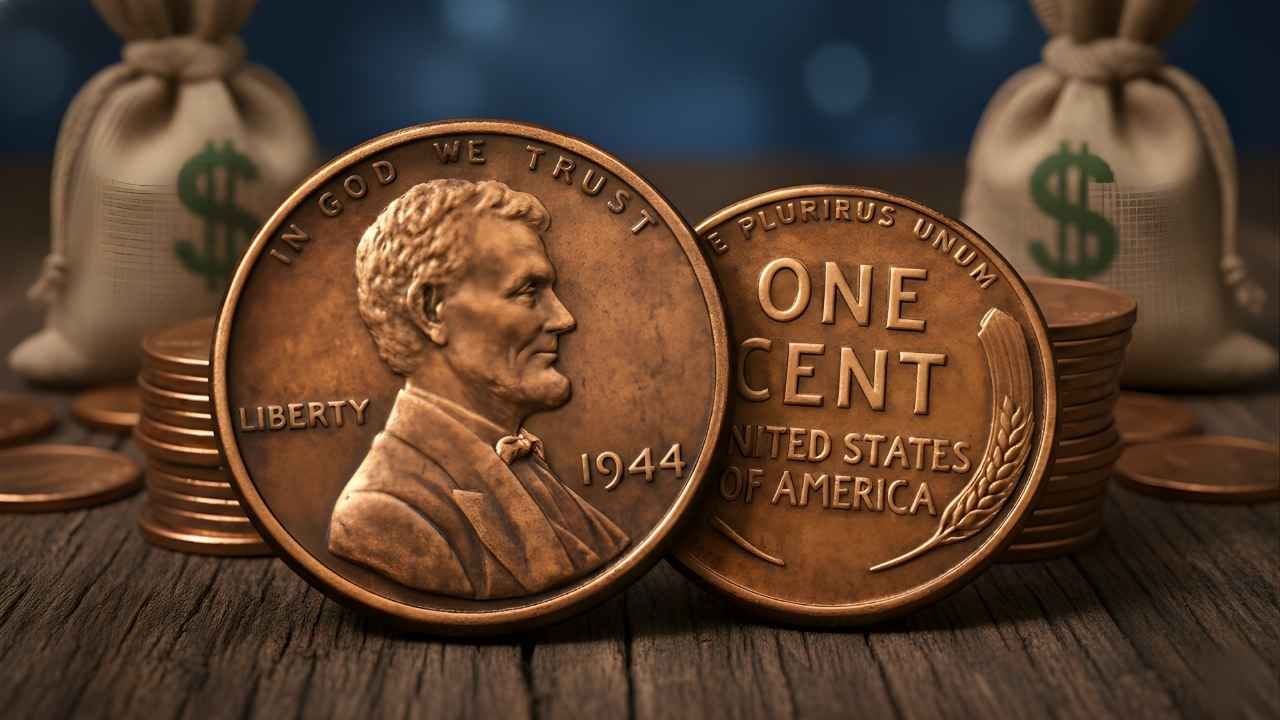
The Wheat Penny was introduced to honor Abraham Lincoln, making it the first U.S. coin to feature a real person. The reverse design, with two wheat stalks framing the denomination, gave the coin its nickname. Minted until 1958, the Wheat Penny witnessed significant historical events, including both World Wars and the Great Depression, which influenced its production and rarity.

Why Wheat Pennies Are Valuable
Rarity in Wheat Pennies comes from low mintages, mint errors, and coins preserved in exceptional condition. Some years saw limited production due to economic constraints, while others became rare because of mistakes during minting. Collectors prize these anomalies, and demand has driven values steadily upward.
Table of 22 Rare Wheat Pennies
| Year | Mint Mark | Notable Feature | Approximate Value (2026) |
|---|---|---|---|
| 1909-S VDB | S | Designer initials prominently displayed | $1,500 – $3,000 |
| 1909-S | S | First year San Francisco issue | $100 – $500 |
| 1910-S | S | Scarce early San Francisco mintage | $75 – $400 |
| 1911-S | S | Low mintage | $100 – $450 |
| 1914-D | D | Highly sought after | $1,000 – $2,500 |
| 1915-S | S | Scarce San Francisco issue | $80 – $350 |
| 1922 No D | None | Minting error, no Denver mark | $2,000 – $5,000 |
| 1924-D | D | Low mintage | $200 – $1,000 |
| 1926-S | S | Scarce late San Francisco issue | $150 – $700 |
| 1931-S | S | Depression-era scarcity | $75 – $600 |
| 1943 Copper | P/D/S | Famous wartime copper rarity | $50,000+ |
| 1943 Steel | P/D/S | Wartime steel composition | $50 – $500 |
| 1944 Steel | P/D/S | Rare error, steel planchet | $20,000+ |
| 1944-D D Over D | D | Overmintmark error | $150 – $800 |
| 1946-S | S | Scarce postwar issue | $50 – $300 |
| 1951-S | S | Lower mintage | $40 – $250 |
| 1955 Doubled Die | P | Famous doubled die error | $1,500 – $10,000 |
| 1958 Doubled Die | P | Extremely rare doubled die | $20,000+ |
| 1936 Doubled Die Obverse | P | Doubling visible on motto | $500 – $2,500 |
| 1949-S | S | Scarce late San Francisco issue | $40 – $200 |
| 1952-D | D | Scarce Denver issue | $35 – $150 |
| 1956 Doubled Die | P | Doubling on obverse lettering | $300 – $1,200 |
Collector Identification Guide
Identifying rare Wheat Pennies requires careful examination. Collectors should look for mint marks, doubling on lettering or designs, and unusual features such as overmintmarks. Magnification tools are essential, and professional grading services provide authentication and certification. Beginners often start with common Wheat Pennies before pursuing rarities.
Market Trends in 2026
The coin market in 2026 shows strong demand for Wheat Pennies. Auction houses report competitive bidding, especially for high-grade examples of the 1909-S VDB and the 1943 Copper Penny. Online marketplaces also reflect steady interest, with collectors eager to add rare pennies to their portfolios. The total value of these twenty-two coins underscores their significance in numismatics.
Investment Potential
Rare Wheat Pennies are increasingly seen as alternative investments. Their historical importance, limited supply, and consistent demand make them attractive to investors seeking tangible assets. While not all pennies are valuable, the rare dates and errors have shown steady appreciation over time, making them reliable long-term holdings.

Cultural Significance
Beyond monetary value, Wheat Pennies hold cultural importance. They represent a tribute to Abraham Lincoln and a reflection of American coinage history. Their design has inspired art, jewelry, and educational programs, keeping their legacy alive for new generations.
Challenges in Collecting
Counterfeits and altered coins pose challenges for collectors. As values rise, fraudulent coins become more common. Collectors must rely on trusted grading services and reputable dealers to avoid costly mistakes. Proper storage is also essential, as environmental factors can damage copper coins over time.
The Future of Wheat Penny Collecting
Looking ahead, Wheat Pennies will continue to captivate collectors. Their blend of history, rarity, and accessibility ensures they remain a cornerstone of numismatics. As younger generations discover coin collecting, the appeal of rare pennies is likely to grow even further, sustaining demand and value.
Conclusion
The twenty-two rare Wheat Pennies worth significant sums in 2026 highlight the enduring importance of this iconic coin. From the scarce 1909-S VDB to the fascinating doubled die errors, these coins offer collectors both historical significance and financial value. They are more than currency; they are artifacts of American history, cherished by collectors and investors alike.